The JCU Singapore Business School offers a distinctive and relevant course portfolio, that develops career-ready graduates with the competencies, skills and techniques of data-driven decision making to meet business needs and demands.
The curriculum is designed to instil critical thinking and widen student participation through experiential learning (such as field trips, consultancy work and industry engagement), cross-disciplinary approach to learning (such as research projects that utilise knowledge from across subjects), and interactive, flexible approaches to learning, teaching, and assessment (such as blended learning and use of authentic assessments).
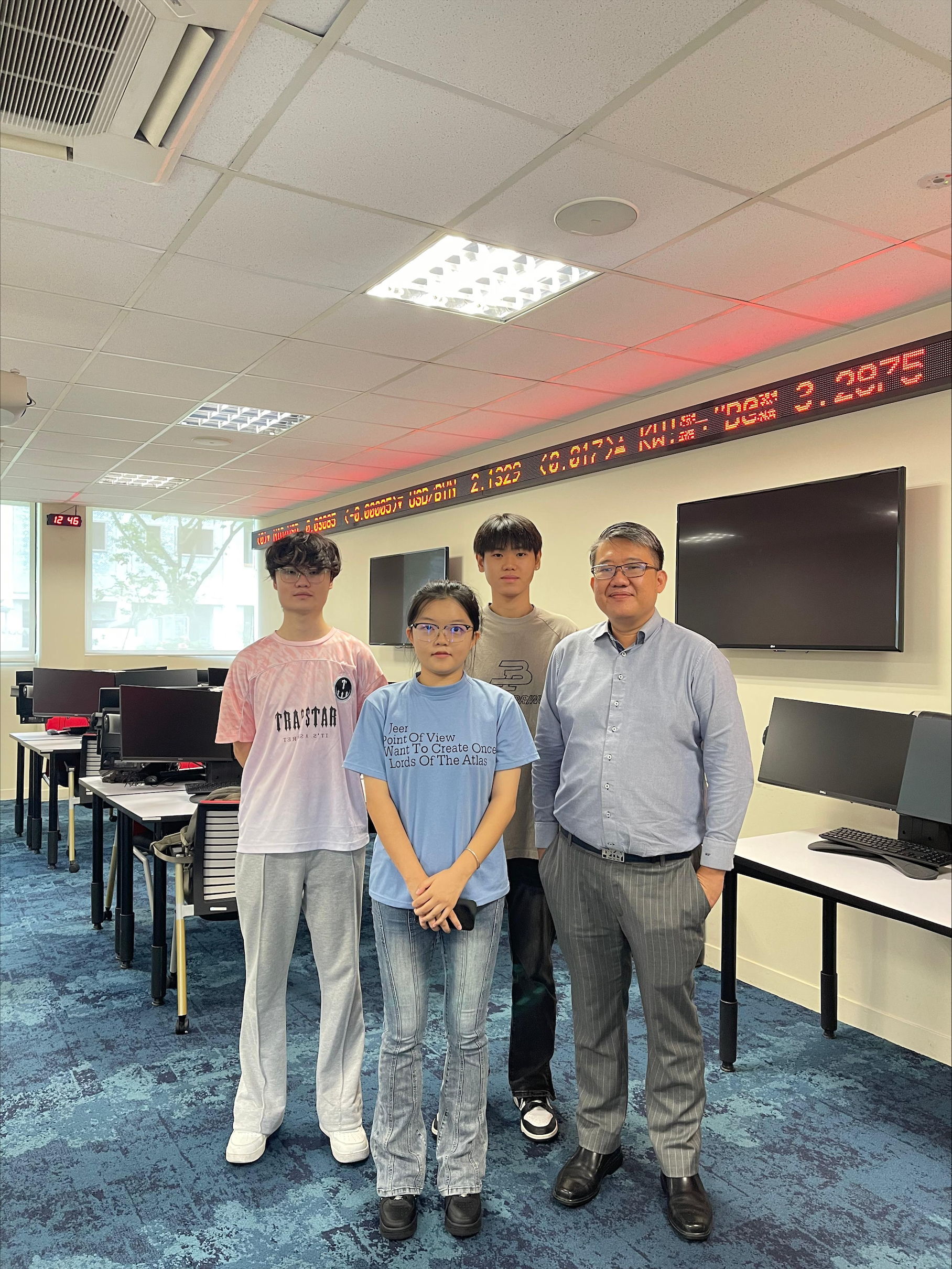
The formal curriculum offers capstone subjects like Multidisciplinary Project and Applied Research Project, where students investigate and develop solutions for a project sourced from the industry, and present their research findings to engage with the university community and industry. The convergence conference is the highlight of the capstone subject Multidisciplinary and Applied Research Project where students have the opportunity to showcase results of their projects to industry experts. Under the guidance of dedicated academic staff members who act as research mentors, student teams presented the results of their findings to external industry judges comprising C-suite officers and industry professionals across different business functions. At the end of the day, students gained more than just the subject content. They learned about time management, relationship management with their peers and supervisors, and critical problem-solving skills, which will benefit them in their future careers.
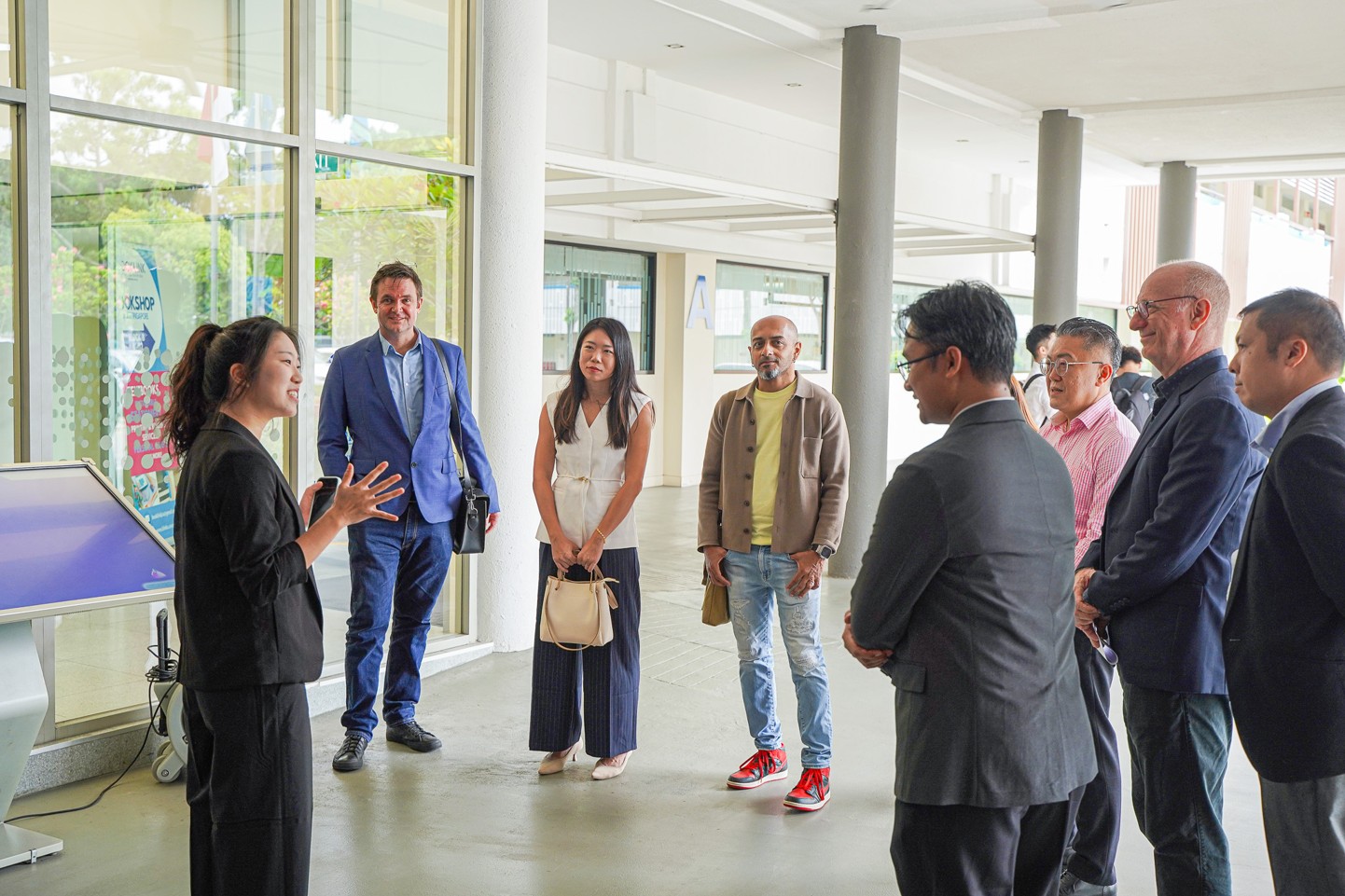
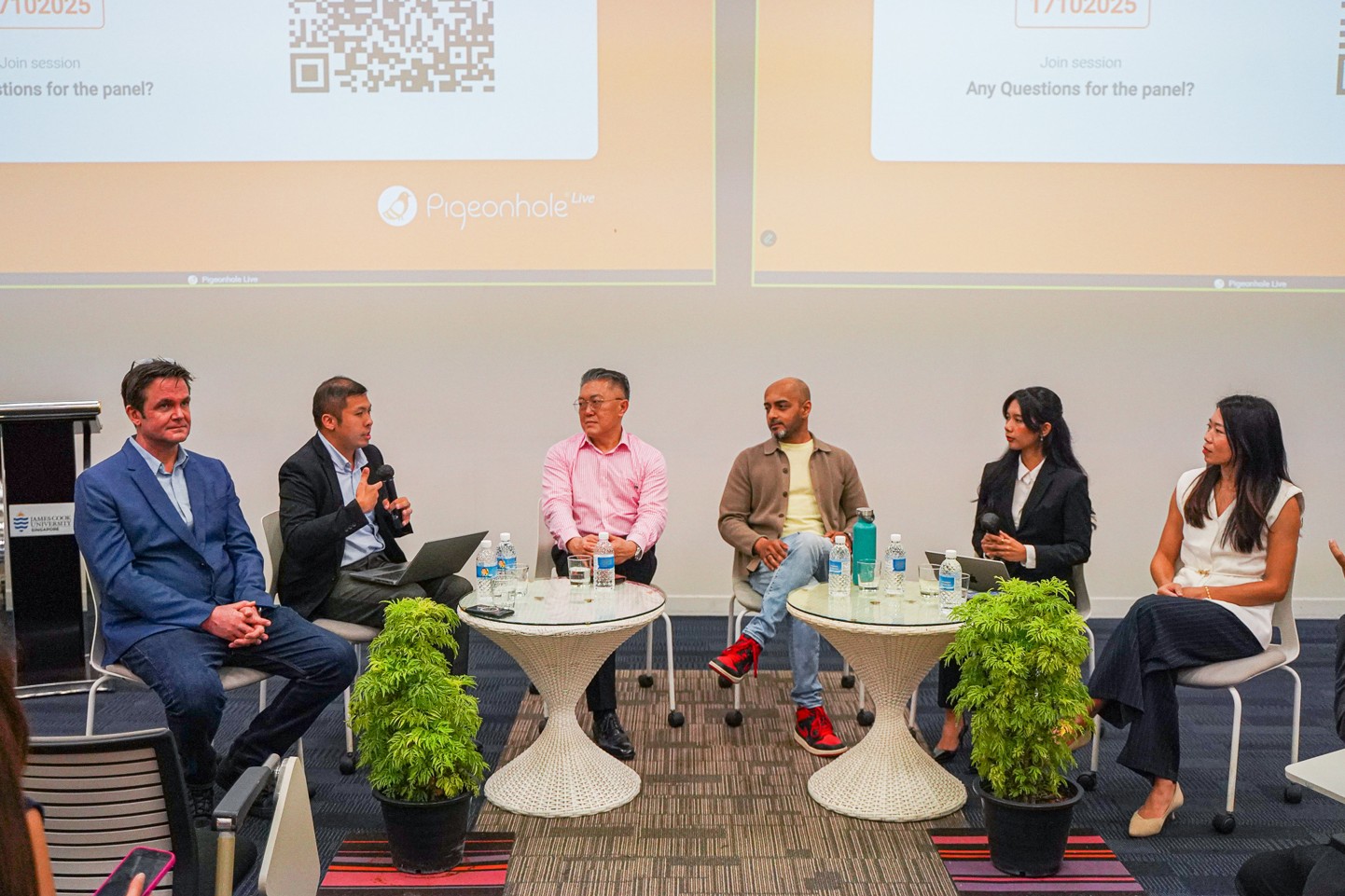
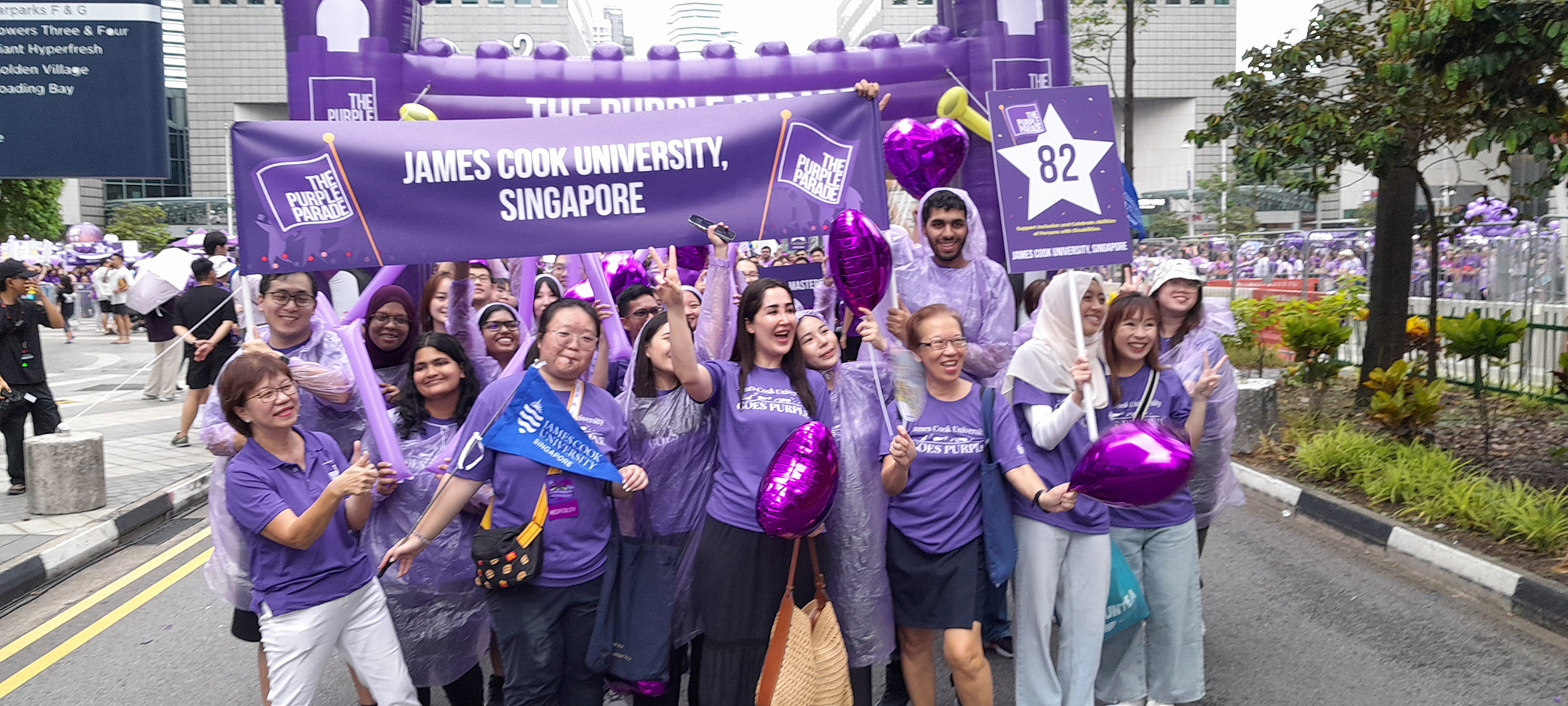
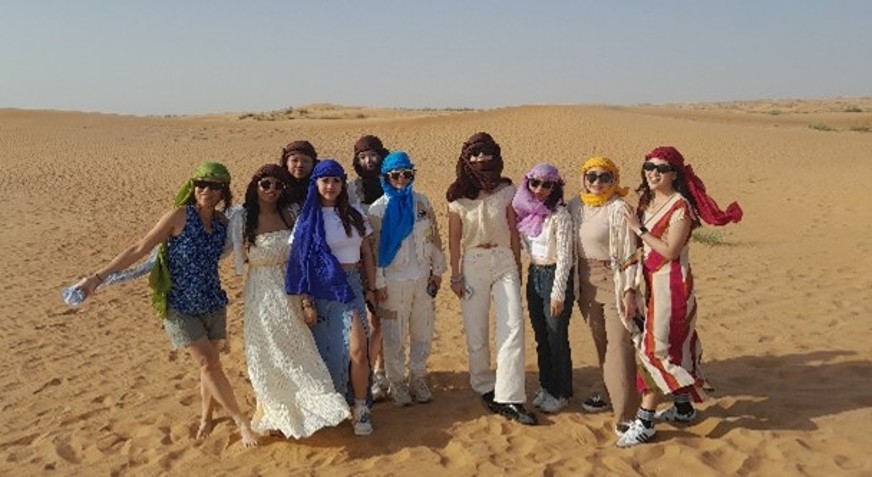
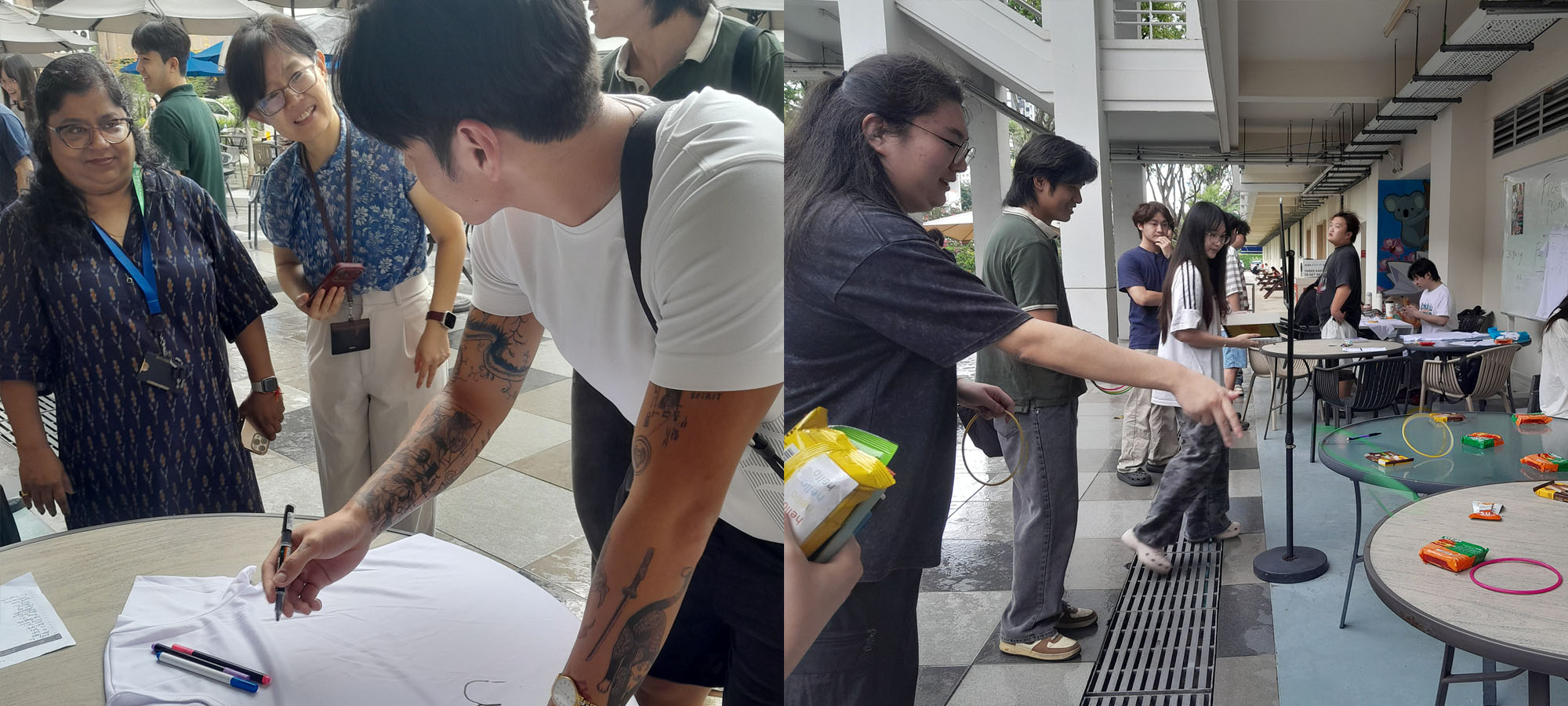
The informal curriculum enables student teams to participate in industry competition, events management and cross-cultural fieldtrips where they learn about sustainable businesses, how to build networks, confidence, and identity. Students and staff also volunteer in the annual Purple Parade Festival that celebrates inclusiveness and diversity in abilities. Students develop soft skills such as teamwork, communication, and community engagement through real-world interaction and service. Besides, such participation strengthens values-based learning by connecting education with social responsibility, civic participation, and inclusive practices beyond the classroom.
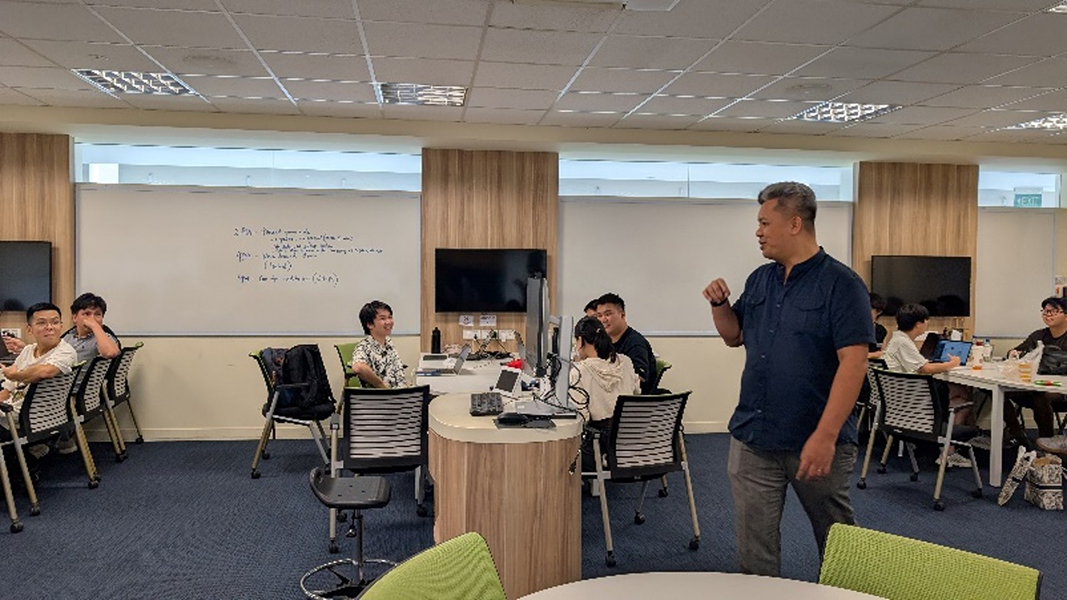
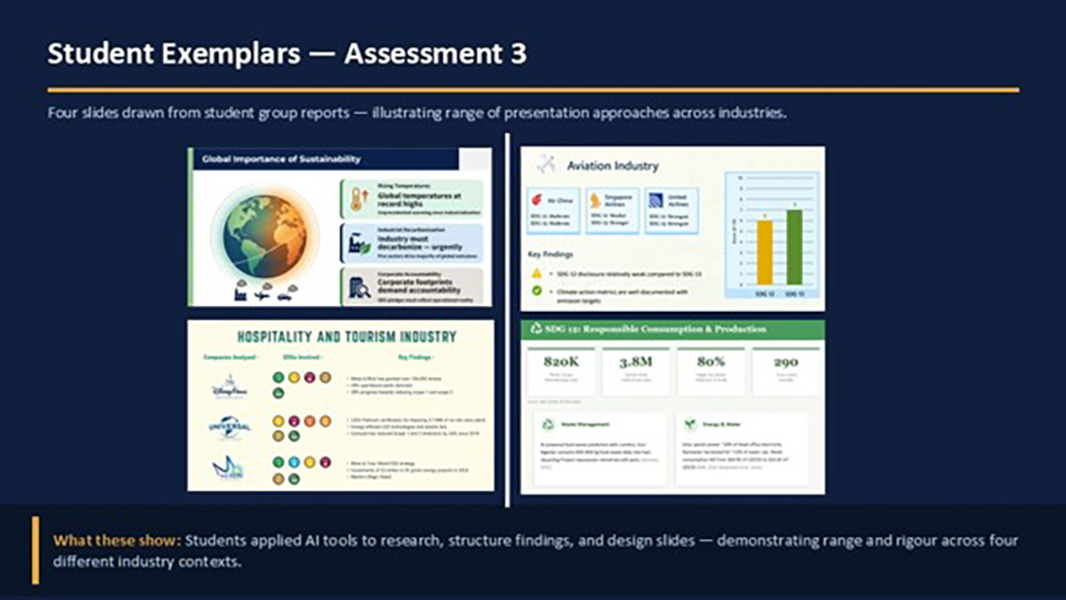
Our curriculum also reflects how we are supporting our students in an increasingly AI saturated world by integrating AI knowledge, skills and competencies across various courses. In a first-year undergraduate course, Professional and Academic Skills for Business, ethical use and productive friction in AI are used to introduce cognitive speed bumps resulting in moments of pause, reflection and critical evaluation into AI-driven workflows to enhance learning, accuracy, and decision-making. This integration promotes active learning getting students to engage in the struggle necessary to master a skill. In a second-year undergraduate business course, The Future of Work, students apply design thinking processes to creative business solutions by engaging with AI-supported personas that develop empathy, and use narrative-based discovery processes. These AI-assisted approaches influence student learning outcomes, empathy development, creativity, and perceptions of the innovation process itself. Collectively, these approaches support transformative education that is aligned with JCU’s strategic intent by fostering adaptability, industry relevance and student capability development.
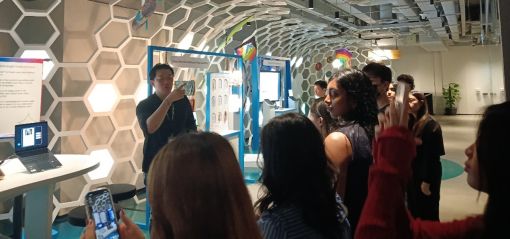
AI Immersion program hosted by the Association of Chartered Certified Accountants (ACCA), AIESEC, and Google aimed at providing fresh and in-depth insights for university students, young professionals, and academics on the future of workplaces and the evolving roles of universities and professional institutions in delivering innovative solutions. The event was hosted at Google Singapore, where the tech giant showcased how it supports professional and career development for students and emerging professionals. Attendees had the opportunity to explore Google’s dynamic workspaces, including selfie tunnels and YouTube studios, and enjoy complimentary cafés available to all Google employees. Guests were impressed as they experienced firsthand how the future of work is being reshaped—moving beyond traditional office models to environments that foster collaboration.