From Practitioner to Educator in Counselling and Education
From Practitioner to Educator in Counselling and Education
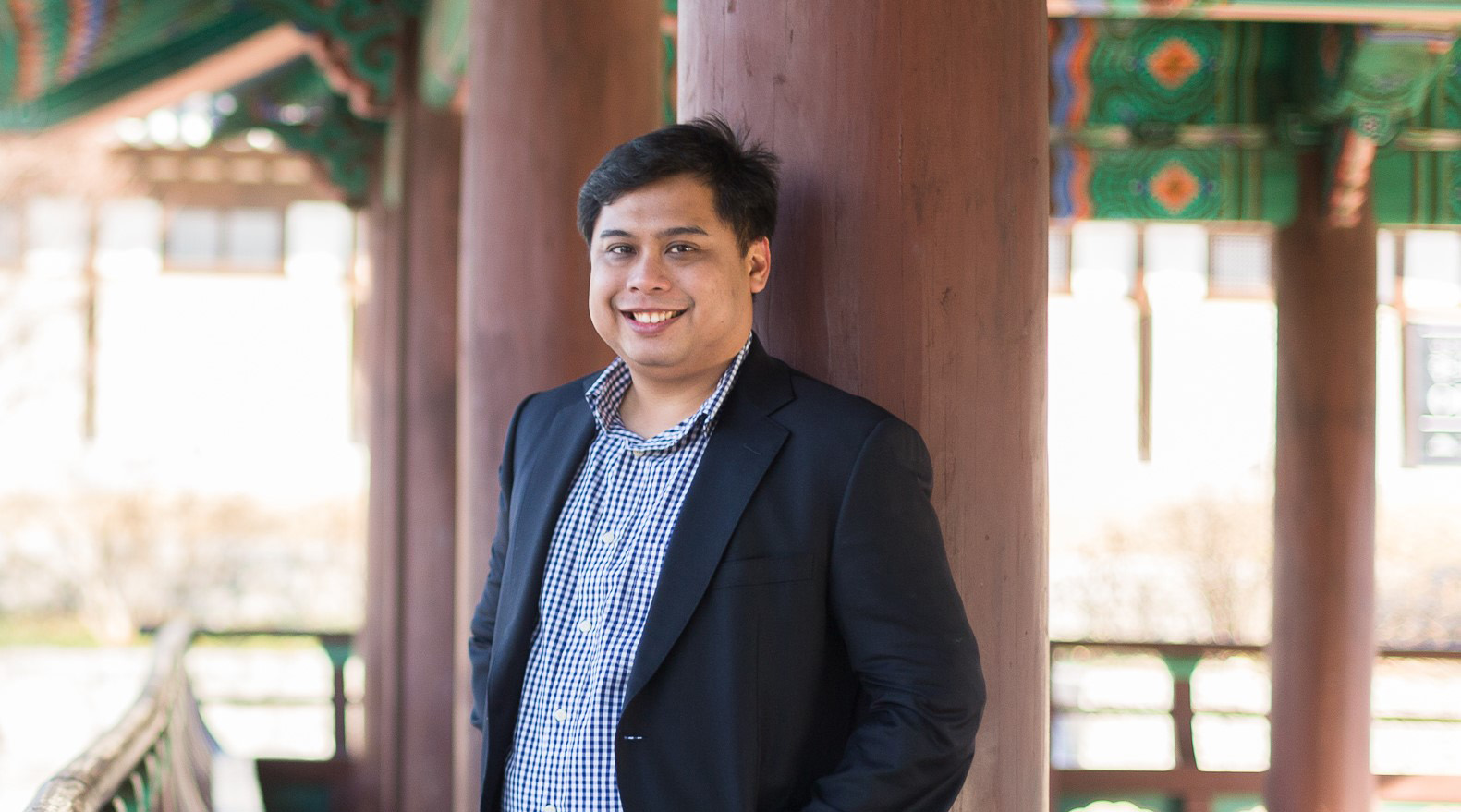
Meet Muhammad Hafiz, a 2007 Bachelor of Psychology alumnus. His studies built a strong foundation in psychology and counselling, blending theory with hands-on practice that prepared him for clinical work and later, his role as a lecturer in counselling.
1. What are you up to right now?
I am currently a lecturer at a university in Hong Kong, where I teach in both undergraduate and postgraduate programs while continuing my research on youth mental health.
I also hold a Master of Education from an Australian university and a PhD specialising in adolescent mental health help-seeking behaviour from a local university in Singapore. I am a registered Clinical Member with the Singapore Association for Counselling (SAC) and a Certified Behavioural and Career Consultant.
2. Can you tell us more about your current role and why you decided to take on this role?
After more than 10 years working as a counsellor in Singapore — in both school settings and a children’s non-profit organisation — I became increasingly curious about why the utilisation rate of mental health services remains low.
Through my research and practice, I realised that this is often linked to a limited understanding of the counselling process, as well as misconceptions about the role of counsellors and expectations of how they should behave.
This insight motivated me to move into counselling education, where I believe I can make a meaningful contribution by shaping and preparing future counsellors for the field.
3. What are you most passionate about at this stage of your journey?
I am passionate about working and learning alongside future counsellors, sharing my knowledge with them while learning from their perspectives. I am also excited to contribute to the local counselling landscape through research and advocacy.
4. If you could highlight one memorable experience in your career so far, what would that be?
One of the most meaningful aspects of my work is witnessing how students grow over the course of a semester as they begin their journey into counselling. Seeing them graduate is always a touching and deeply rewarding moment for me.
Another memorable experience was witnessing the transformation of a student who initially felt hesitant during counselling sessions but gradually became more confident and open. After completing his studies in another study area, he chose to pursue a degree in psychology to support the next generation, and we still keep in touch.
5. What are some lessons you have learnt or challenges you have faced?
As an educator, I naturally want the best for my students. Over time, I have learnt that not all students are motivated in the same way. Some are comfortable moving at their own pace, and I’ve come to understand that it isn’t my place to impose my expectations on them. Instead, I’ve learnt to trust that, in time, they will discover what works best for them.
6. How did studying at the Singapore campus of James Cook University help you in your career?
JCU has provided me with a very strong foundation in psychology and counselling, which was very useful in my clinical work and eventually in my role today as a lecturer in the field of counselling. The program has a good balance between theory and practical skills. This allows me to transfer my learning into my work easily and in a realistic manner. In particular, the experiential learning and numerous roleplays help me to conduct sessions smoothly during my early days of being a counsellor.
7. What would be your advice for current students?
‘Not everyone can become a great artist, but a great artist can come from anywhere’ – Ratatouille (2007). I like this quote a lot as it reminds me that one can succeed if we work hard and believe in ourselves. It doesn’t matter where we come from but if we work hard, we have an equal chance to succeed as others.
8. Lastly, JCU's strategic intent is ‘Creating a brighter future for life in the Tropics and beyond, through education and research that makes a difference locally, and globally’. How do you think you have made (or are making) a difference?
Through my work in academia, I am grateful for the opportunity to conduct research that advances understanding of youth help-seeking behaviours in Singapore and Hong Kong, as well as the wider Southeast Asia and Greater Bay Area region. This allows me to explore important cross-cultural perspectives in mental health.
Through teaching, I am also able to play a part in preparing future counsellors and mental health professionals.
I am able to do this because of the education I received at JCU — gaining knowledge from an Australian university and applying it meaningfully within a local context.
Published in May 2026